

Baby terry socks are not only adorable but also essential for keeping little feet warm and comfortable. As a trusted supplier of baby terry socks, I am often asked about the materials used in their production. In this blog post, I will delve into the various materials commonly used to make baby terry socks, highlighting their benefits and characteristics.
Cotton
Cotton is one of the most popular materials for baby terry socks, and for good reason. It is a natural fiber that is soft, breathable, and hypoallergenic, making it ideal for delicate baby skin. Cotton terry socks are absorbent, which helps to keep baby's feet dry and prevent irritation. They are also gentle on the skin, reducing the risk of allergic reactions.
One of the key advantages of cotton is its versatility. It can be blended with other fibers to enhance its properties. For example, a blend of cotton and spandex can add stretch and elasticity to the socks, making them more comfortable to wear and easier to put on and take off. Cotton can also be combined with polyester to improve durability and resistance to wrinkles.
Polyester
Polyester is a synthetic fiber that is commonly used in the production of baby terry socks. It is known for its strength, durability, and resistance to shrinking and wrinkling. Polyester socks are also quick-drying, which makes them a great choice for active babies.
One of the benefits of polyester is its ability to retain its shape and color over time. This means that baby terry socks made from polyester will look new for longer, even after multiple washes. Polyester can also be blended with other fibers to enhance its properties. For example, a blend of polyester and cotton can combine the softness and breathability of cotton with the strength and durability of polyester.
Spandex
Spandex, also known as Lycra or elastane, is a synthetic fiber that is used to add stretch and elasticity to baby terry socks. It is a lightweight and flexible material that allows the socks to conform to the shape of baby's feet, providing a snug and comfortable fit.

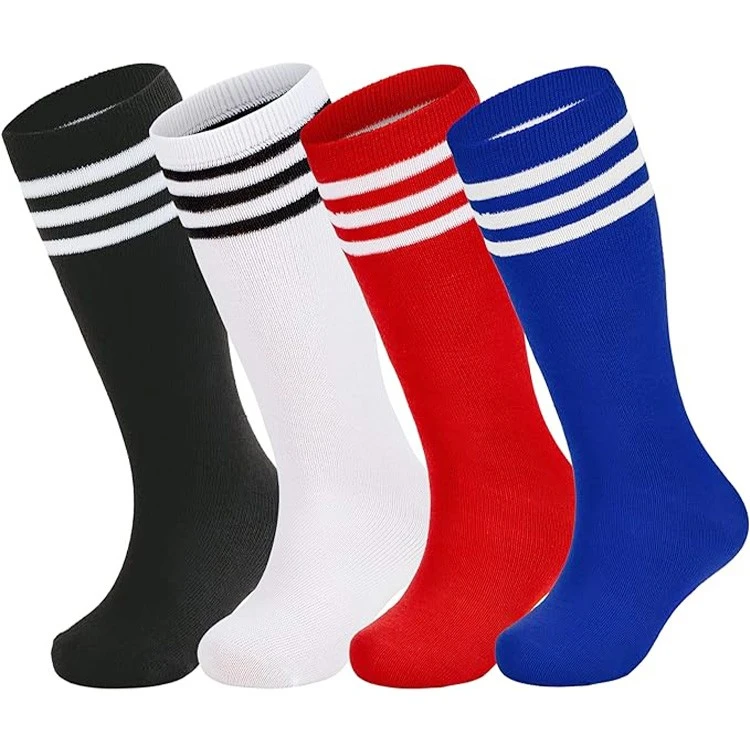
One of the advantages of spandex is its ability to recover its shape after stretching. This means that baby terry socks made with spandex will not lose their elasticity over time, ensuring a consistent fit. Spandex can also be blended with other fibers to enhance their stretch and comfort. For example, a blend of spandex and cotton can create a soft and stretchy sock that is perfect for baby's delicate feet.
Acrylic
Acrylic is a synthetic fiber that is often used as a substitute for wool. It is soft, lightweight, and warm, making it a great choice for baby terry socks. Acrylic socks are also resistant to shrinking and pilling, which means they will stay looking new for longer.
One of the benefits of acrylic is its affordability. It is a cost-effective alternative to wool, making it a popular choice for budget-conscious parents. Acrylic can also be blended with other fibers to enhance its properties. For example, a blend of acrylic and cotton can create a soft and warm sock that is suitable for all seasons.
Wool
Wool is a natural fiber that is known for its warmth, softness, and breathability. It is a great choice for baby terry socks, especially in colder climates. Wool socks are also moisture-wicking, which helps to keep baby's feet dry and comfortable.
One of the advantages of wool is its ability to regulate body temperature. It can keep baby's feet warm in cold weather and cool in warm weather, making it a versatile material for all seasons. Wool can also be blended with other fibers to enhance its properties. For example, a blend of wool and cotton can create a soft and warm sock that is suitable for everyday wear.
Bamboo
Bamboo is a natural fiber that is becoming increasingly popular in the production of baby terry socks. It is a sustainable and eco-friendly material that is soft, breathable, and hypoallergenic. Bamboo socks are also antibacterial and odor-resistant, which helps to keep baby's feet fresh and clean.
One of the benefits of bamboo is its moisture-wicking properties. It can absorb up to three times its weight in water, which helps to keep baby's feet dry and prevent irritation. Bamboo can also be blended with other fibers to enhance its properties. For example, a blend of bamboo and cotton can create a soft and breathable sock that is perfect for sensitive skin.
Conclusion
In conclusion, baby terry socks can be made from a variety of materials, each with its own unique benefits and characteristics. Cotton, polyester, spandex, acrylic, wool, and bamboo are all commonly used in the production of baby terry socks, and each material offers different advantages in terms of softness, breathability, durability, and warmth.
As a supplier of baby terry socks, we offer a wide range of options to suit every need and preference. Whether you are looking for a soft and breathable cotton sock, a durable and quick-drying polyester sock, or a warm and cozy wool sock, we have the perfect solution for you.
If you are interested in purchasing our high-quality baby terry socks, please visit our website to browse our selection. We offer a variety of styles and designs, including High Quality Best Boy and Girl Socks, Baby Toddler Socks, and Baby Cartoon Socks.
We are always happy to answer any questions you may have and to help you find the perfect socks for your little one. Please feel free to contact us if you have any inquiries or if you would like to discuss a potential partnership. We look forward to hearing from you!
References
- Textile Institute. (2023). Handbook of Textile Fibres. Woodhead Publishing.
- Lewis, M. (2022). Textile Science. Pearson.
- ASTM International. (2023). Standard Terminology for Textiles. ASTM D123.