

As a supplier of baby toddler socks, ensuring the safety of these products is not only a moral obligation but also a critical business requirement. Baby and toddler feet are incredibly sensitive and vulnerable, which means every pair of socks we offer must meet strict safety standards. In this blog, I'll share how I take multiple measures to guarantee the safety of baby toddler socks.
Material Selection
The foundation of safe baby toddler socks lies in the choice of materials. First and foremost, I opt for natural fibers such as organic cotton. Organic cotton is grown without the use of pesticides, synthetic fertilizers, and genetically modified organisms (GMOs). This makes it hypoallergenic and gentle on a baby's delicate skin. Babies have a thinner skin layer compared to adults, and their immune systems are still developing. Common chemicals used in non - organic cotton farming can cause skin irritations like rashes, redness, and itching. By using organic cotton, I can minimize these risks.
In addition to organic cotton, wool is another great material, especially for winter socks. High - quality merino wool is soft, breathable, and has excellent moisture - wicking properties. It can keep the baby's feet warm without overheating them. However, it's important to ensure that the wool is properly treated to avoid any scratchy feeling. I source merino wool from suppliers who use advanced processing techniques to make the wool super soft and comfortable for little feet.
When some synthetic materials are necessary for added stretch or durability, I make sure they are free from harmful chemicals. For example, elastane can be added in small amounts to provide a better fit. But the elastane used must be free from phthalates, a group of chemicals that can be harmful if absorbed through the skin. I carefully vet my synthetic material suppliers to ensure compliance with international safety standards.
Manufacturing Processes
Equally important as material selection is the manufacturing process. The production facilities I work with adhere to strict quality control measures. All socks go through a series of inspections at different stages of production. For instance, during the knitting process, there are checks to ensure that the stitches are even and there are no loose threads. Loose threads are a significant hazard as they can wrap around a baby's toe, cutting off circulation and causing serious injury known as a "hair tourniquet syndrome."
The dyeing process is also closely monitored. I only use non - toxic, azo - free dyes. Azo dyes can break down into aromatic amines, which are known carcinogens. By using safe dyes, I prevent any potential chemical exposure to the baby's skin. Moreover, after dyeing, the socks are thoroughly washed to remove any residual dye or chemicals.
In addition, the seams of the socks are double - checked. They should be smooth and not cause any rubbing against the baby's feet. Rough seams can lead to blisters and discomfort. The factories I partner with use specialized sewing techniques to create seamless or flat - locked seams, which provide a more comfortable fit for the little ones.
Safety Testing
To further ensure the safety of baby toddler socks, I conduct a variety of safety tests. One of the most important tests is for flammability. According to safety regulations, children's sleepwear and socks should meet certain flammability standards. I send samples of my socks to independent testing laboratories to verify that they comply with these requirements.
Allergen testing is also crucial. The socks are tested for common allergens such as dust mites, pollen, and mold. This is especially important for babies with sensitive skin or allergies. By identifying and eliminating any potential allergens, I can provide socks that are suitable for all infants and toddlers.
In terms of small parts, I check that there are no buttons, beads, or other small components that could pose a choking hazard. Even if decorative elements are used, they are firmly attached to the sock to prevent them from coming loose.
Packaging and Storage
Proper packaging and storage are essential for maintaining the safety of baby toddler socks. I use clean and non - toxic packaging materials. Plastic bags, if used, are made from food - grade plastics to ensure that they do not release any harmful chemicals. The packaging is also designed to be child - resistant to some extent, reducing the risk of accidental ingestion of the packaging material.
During storage, the socks are kept in a clean, dry, and well - ventilated environment. This helps prevent the growth of bacteria, mold, and mildew. Regular inventory checks are carried out to ensure that the socks are in good condition and have not deteriorated during storage.
Product Design
The design of the baby toddler socks also plays a role in safety. For example, I offer a variety of sizes to ensure a proper fit. Socks that are too tight can restrict blood circulation, while those that are too loose may pose a tripping hazard. I provide size charts and detailed measurement guidelines to help parents choose the right size for their babies.
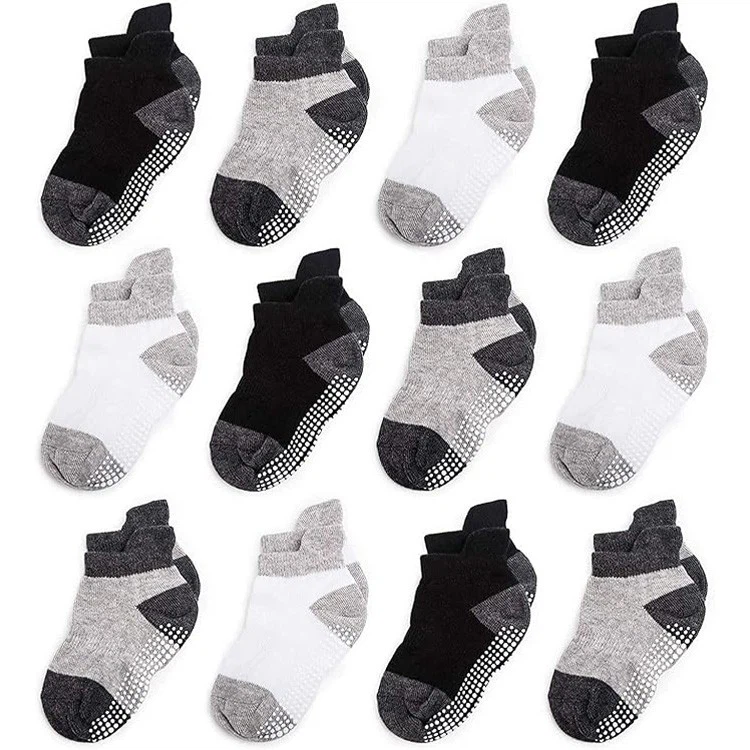
The design also takes into account the activities of babies and toddlers. For instance, Shool Knee High Socks are designed with a proper cuff to prevent them from slipping down during active play. Baby Terry Socks have a soft and absorbent terry cloth lining for maximum comfort, especially for babies who are just starting to crawl. And Infant Newborn Socks are designed with a gentle elastic to hold them in place without being too tight.
In conclusion, ensuring the safety of baby toddler socks is a multi - faceted process that involves careful material selection, strict manufacturing processes, comprehensive safety testing, proper packaging and storage, and thoughtful product design. By taking these steps, I can provide high - quality, safe socks for the most precious little ones.
If you're interested in our baby toddler socks for your business or resale, I'd be more than happy to discuss potential partnerships and answer any questions you may have. Feel free to reach out to start a conversation about procurement. Let's work together to ensure that every baby's feet are kept safe and comfortable.
References

- American Academy of Pediatrics. (202X). Safe Product Guidelines for Infant Wear.
- International Organization for Standardization (ISO). (202X). ISO Standards for Children's Clothing Safety.
- World Health Organization (WHO). (202X). Guidelines on Chemical Safety in Consumer Products.