

As a supplier of kids socks, I've had the privilege of delving deep into the world of different sock materials. One of the most common questions I get from parents and retailers alike is about the differences between cotton and wool kids socks. In this blog, I'll break down the key distinctions to help you make an informed decision when it comes to choosing the right socks for the little ones.
Material Composition
Let's start with the basics - the material itself. Cotton is a natural fiber derived from the cotton plant. It's one of the most widely used materials in the textile industry due to its softness, breathability, and affordability. The fibers are smooth and flexible, making them gentle on a child's delicate skin. On the other hand, wool comes from the fleece of sheep or other animals like goats (in the case of mohair or cashmere). Wool fibers are much more complex in structure, with a natural crimp that gives them elasticity and the ability to trap air.
Comfort and Softness
When it comes to comfort, both cotton and wool have their merits. Cotton socks are renowned for their softness. They feel smooth against the skin, and their lightweight nature makes them ideal for everyday wear. Kids can run, jump, and play all day without feeling restricted. Cotton also has a natural absorbency that wicks away moisture, keeping little feet dry and comfortable.
Wool, however, offers a different kind of comfort. Despite the common misconception that wool is itchy, modern processing techniques have made it incredibly soft, especially for kids' socks. The natural crimp in wool fibers allows it to conform to the shape of the foot, providing a snug fit. Wool also has excellent insulation properties, which means it can keep feet warm in cold weather and cool in warm weather. It's like having a natural thermostat for your feet!
Breathability and Moisture Management
Breathability is crucial when it comes to kids' socks. Children are constantly on the move, and their feet can get sweaty. Cotton is highly breathable, allowing air to circulate freely around the foot. This helps to prevent the buildup of moisture, which can lead to unpleasant odors and skin irritations. When sweat evaporates from cotton socks, it takes heat away from the body, keeping the feet cool.
Wool is also very breathable, but it has an added advantage. It can absorb up to 30% of its weight in moisture without feeling wet. This means that even if a child's feet are sweating, the wool will keep them dry on the surface. The moisture is then released slowly into the air, preventing the feeling of dampness. Wool's ability to manage moisture also makes it resistant to odor, as bacteria thrive in moist environments.
Durability
Kids are tough on their socks. They drag them across the floor, kick them against furniture, and generally put them through a lot of wear and tear. Cotton socks are fairly durable, but they may not last as long as wool socks. Cotton fibers can break down over time, especially with frequent washing. However, if you choose high-quality cotton socks, they can still provide good value for money.
Wool is known for its durability. The natural elasticity of wool fibers allows them to stretch and return to their original shape, even after repeated use. Wool socks can withstand more abrasion and are less likely to develop holes or wear out quickly. This makes them a great investment, especially if you have an active child.
Temperature Regulation
As mentioned earlier, both cotton and wool have different temperature regulation properties. Cotton is a great choice for warm weather. Its breathability and moisture-wicking abilities keep feet cool and dry. You can find a wide range of Baby Toddler Socks made from cotton that are perfect for summer days.
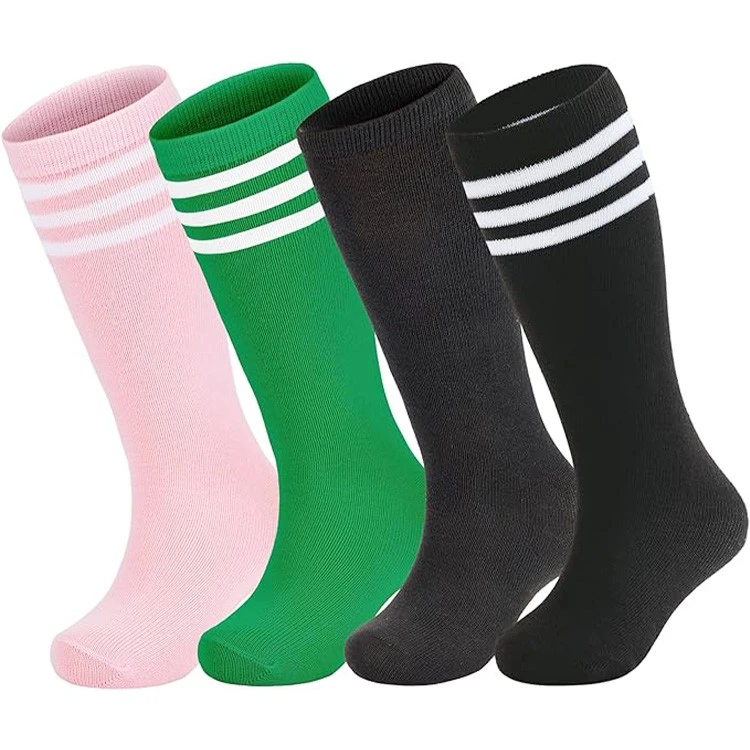
Wool, on the other hand, is ideal for colder climates. Its insulation properties trap heat close to the body, keeping feet warm even in freezing temperatures. But don't think wool is only for winter! Thanks to its ability to regulate temperature, wool socks can also be worn in milder weather. You can explore our New Baby Cotton Socks and High Quality Best Boy and Girl Socks to find the right pair for any season.

Allergies and Sensitivities
Some children may have allergies or sensitivities to certain materials. Cotton is generally considered hypoallergenic, making it a safe choice for kids with sensitive skin. It's less likely to cause irritation or allergic reactions.
While wool is also a natural fiber, some people may be allergic to it. However, this is relatively rare, especially with modern, processed wool. If you're unsure whether your child will be allergic to wool, you can start by trying a small pair of socks and monitoring their reaction.
Cost
Cost is always a factor when making a purchasing decision. Cotton socks are usually more affordable than wool socks. This is because cotton is more widely available and easier to process. If you're on a budget, cotton socks are a great option. You can find a variety of styles and colors at a reasonable price.
Wool socks tend to be more expensive, but they offer better durability and performance. They're a long-term investment, as they will last longer and provide more benefits. When you consider the cost per wear, wool socks can actually be more cost-effective in the long run.
Conclusion
In conclusion, both cotton and wool kids socks have their own unique advantages. Cotton is soft, breathable, and affordable, making it a great choice for everyday wear and warm weather. Wool, on the other hand, offers excellent comfort, durability, and temperature regulation, making it ideal for colder climates and active kids.
As a kids socks supplier, I understand the importance of providing high-quality products that meet the needs of both parents and children. Whether you're looking for cotton or wool socks, we have a wide range of options to choose from. If you're interested in purchasing our kids socks in bulk, please feel free to reach out to us for more information and to discuss your specific requirements. We're always happy to help you find the perfect socks for your little ones.
References
- "Textiles: Fibers, Yarns, and Fabrics" by Judith A. Langford
- "The Science of Wool" by The Woolmark Company