

Tights are a staple in many wardrobes, offering both style and comfort. As a tights supplier, I understand the importance of keeping these garments in top condition. Stains are an inevitable part of life, but with the right knowledge and techniques, you can effectively remove them and extend the lifespan of your tights. In this blog post, I'll share some practical tips on how to remove various types of stains from tights.
Understanding the Fabric of Tights
Before diving into stain removal, it's crucial to understand the fabric of your tights. Tights can be made from a variety of materials, including nylon, spandex, cotton, and blends. Different fabrics react differently to stains and cleaning agents. For example, nylon is a synthetic fiber that is relatively resistant to stains but can be damaged by harsh chemicals. Cotton, on the other hand, is a natural fiber that is more absorbent and may require gentler cleaning methods.
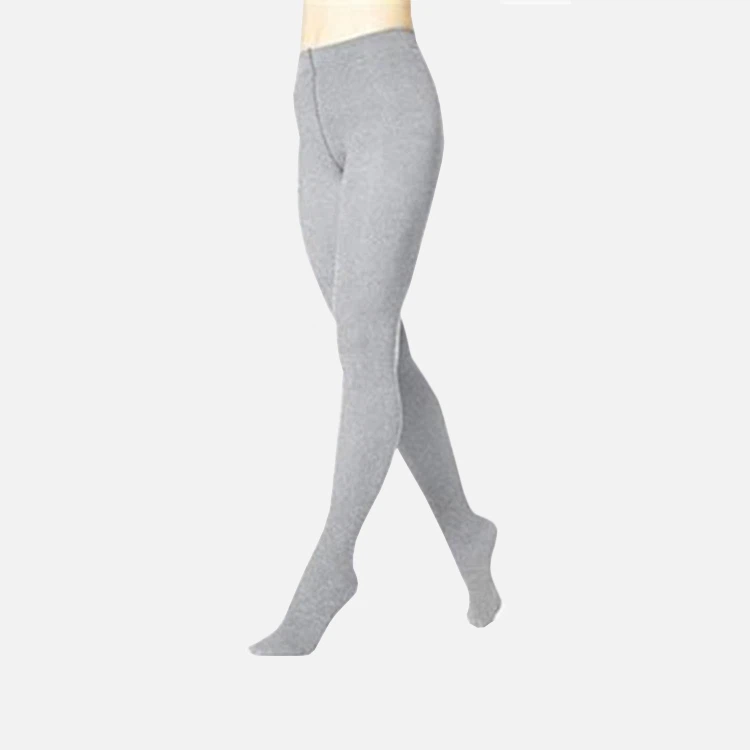
Most of the tights we supply, such as the Fleece Seamless Legging, Cotton Tight for Women, and Fleece Lined Tights Seamless, are made from high - quality materials that are designed to be durable and comfortable. However, they still need proper care to maintain their appearance.
Common Types of Stains and Removal Methods
1. Food Stains
Food stains are one of the most common types of stains on tights. Whether it's a drop of tomato sauce, coffee, or wine, these stains can be unsightly.
- Tomato Sauce Stains: Tomato sauce contains acid and pigments that can be stubborn. First, rinse the stain under cold water to remove as much of the sauce as possible. Then, mix a small amount of mild detergent with cold water and gently rub the stain. Let it soak for about 15 - 20 minutes. Rinse again with cold water. If the stain persists, you can try using a mixture of baking soda and water. Make a paste and apply it to the stain, let it sit for a few minutes, and then rinse.
- Coffee and Tea Stains: Blot the stain immediately with a clean cloth to absorb as much of the liquid as possible. Then, soak the tights in a solution of cold water and a small amount of vinegar (about 1 tablespoon per cup of water). Let it soak for 30 minutes, then rinse with cold water. You can also use a commercial stain remover, but make sure to test it on a small, inconspicuous area of the tights first.
- Wine Stains: For fresh wine stains, sprinkle salt on the stain immediately. The salt will absorb the wine. After a few minutes, brush off the salt and rinse the tights under cold water. If the stain is older, you can try using a mixture of hydrogen peroxide and dish soap. Apply the mixture to the stain, let it sit for a few minutes, and then rinse.
2. Grease and Oil Stains
Grease and oil stains can be particularly difficult to remove from tights.
- Butter and Cooking Oil Stains: Sprinkle cornstarch or talcum powder on the stain and let it sit for at least 30 minutes. The powder will absorb the grease. Then, brush off the powder and apply a small amount of dish soap to the stain. Gently rub the fabric together to work up a lather. Rinse with cold water. If the stain remains, you can try using a pre - treatment stain remover.
- Makeup and Body Oil Stains: Use a makeup remover wipe to blot the stain. Then, soak the tights in a solution of cold water and a small amount of laundry detergent. Let it soak for 1 - 2 hours, then rinse with cold water.
3. Sweat and Deodorant Stains
Sweat and deodorant stains can leave yellowish marks on tights.
- Sweat Stains: Mix equal parts of white vinegar and water. Soak the tights in the solution for 30 minutes to an hour. Then, rinse with cold water and wash the tights as usual.
- Deodorant Stains: Gently scrape off any excess deodorant from the tights. Then, soak the tights in a solution of warm water and a small amount of ammonia (about 1 tablespoon per cup of water). Let it soak for 15 - 20 minutes, then rinse with cold water.
General Tips for Stain Removal
- Act Quickly: The sooner you treat a stain, the easier it will be to remove. As soon as you notice a stain, take action.
- Use Cold Water: In most cases, cold water is better for removing stains from tights. Hot water can set some stains, making them more difficult to remove.
- Test Cleaning Agents: Before using any new cleaning agent on your tights, test it on a small, hidden area of the fabric to make sure it doesn't cause discoloration or damage.
- Be Gentle: Tights are delicate, so be gentle when rubbing or scrubbing the fabric. Aggressive scrubbing can damage the fibers.
Preventing Stains on Tights
- Wear an Apron: If you're cooking or doing other activities that are likely to result in stains, wear an apron to protect your tights.
- Apply a Stain Repellent: There are commercial stain - repellent products available that can be applied to tights. These products create a barrier that helps prevent stains from setting in.
- Avoid Contact with Greasy or Staining Substances: Be careful when handling greasy foods, makeup, or other substances that can stain your tights.
Caring for Tights After Stain Removal
After successfully removing a stain from your tights, it's important to care for them properly to prevent future damage.
- Wash Them Properly: Wash tights in cold water on a gentle cycle. Use a mild detergent and avoid using fabric softeners, as they can leave a residue on the tights.
- Dry Them Flat: Hang tights to dry or lay them flat. Avoid wringing them out, as this can damage the fibers.
- Store Them Correctly: Store tights in a cool, dry place. You can fold them neatly and store them in a drawer or hang them on a hanger.
Conclusion
As a tights supplier, I know that keeping your tights in good condition is essential for both their appearance and longevity. By following these stain - removal and prevention tips, you can ensure that your tights look great for a long time. If you're interested in purchasing high - quality tights for your personal use or for your business, we're here to assist you. We offer a wide range of tights, including the Fleece Seamless Legging, Cotton Tight for Women, and Fleece Lined Tights Seamless. Feel free to contact us to discuss your procurement needs and start a fruitful business relationship.

References
- "The Complete Guide to Stain Removal" by Stain Removal Experts
- "Fabric Care Handbook" published by the Textile Institute