

Hey there! As a supplier of Infant Newborn Socks, I know how important it is to keep these tiny essentials in top - notch condition. Ironing infant newborn socks might seem like a small task, but it can make a big difference in the quality and appearance of the socks. In this blog, I'll share some tips on how to iron these delicate little items properly.
Why Iron Infant Newborn Socks?
You might be wondering why you should even bother ironing such small socks. Well, there are a few good reasons. First of all, ironing can remove wrinkles and creases, making the socks look neater and more presentable. This is especially important if you're planning to gift the socks or if you're selling them in a retail setting.
Secondly, ironing can help to sanitize the socks to some extent. The heat from the iron can kill off some bacteria and germs that might be lurking on the fabric. And let's face it, babies have delicate skin, so keeping their socks clean and fresh is crucial.
Pre - Ironing Preparation
Before you start ironing, there are a few things you need to do. First, check the care label on the socks. Different fabrics require different ironing settings. For example, if the socks are made of cotton, you can usually use a medium - high heat setting. But if they're made of synthetic materials like polyester or nylon, you'll need to use a lower heat setting to avoid melting the fabric.
Next, gather your supplies. You'll need an iron, an ironing board, and a clean, damp cloth. The damp cloth is important because it can help to create steam, which makes the ironing process easier and more effective.
Setting Up Your Iron
Once you've checked the care label and gathered your supplies, it's time to set up your iron. Fill the iron with water if it has a steam function. Most modern irons have adjustable heat settings, so set the temperature according to the fabric of the socks. If you're not sure, start with a lower heat setting and test it on a small, inconspicuous area of the sock first.
Let the iron heat up for a few minutes. You'll know it's ready when you see steam coming out of the holes on the bottom of the iron.
Ironing the Socks
Now, it's time to start ironing the socks. Lay the sock flat on the ironing board. If the sock has any decorative elements like bows or embroidery, turn the sock inside out to avoid damaging these details.
Place the damp cloth over the sock. This will help to protect the fabric from direct heat and also create steam. Start ironing the sock slowly, moving the iron in a back - and - forth motion. Apply gentle pressure, but don't press too hard, especially if the sock is made of a delicate fabric.
Pay special attention to the toes and the heel of the sock, as these areas tend to get more wrinkled. If there are any stubborn creases, you can hold the iron over the area for a few seconds to let the steam work its magic.
For socks with elastic bands, be careful not to over - iron the elastic. High heat can damage the elasticity of the band, making the sock less comfortable for the baby to wear.
Folding and Storing the Ironed Socks
Once you've finished ironing the sock, let it cool down for a few minutes. Then, fold the sock neatly. You can fold it in half lengthwise and then roll it up. This makes it easier to store the socks in a drawer or a closet.
Store the ironed socks in a clean, dry place. Avoid storing them in a damp environment, as this can cause the socks to develop mold and mildew.
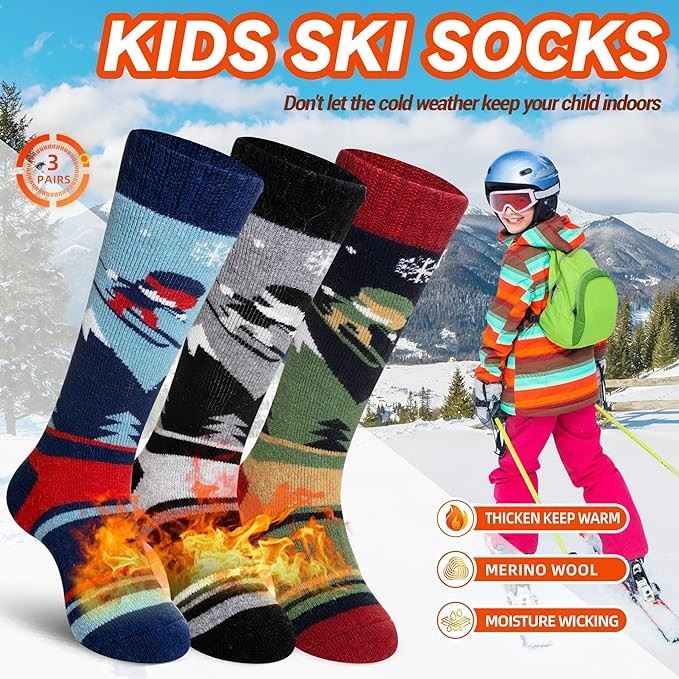

Different Types of Infant Newborn Socks and Ironing Tips
There are many different types of infant newborn socks available in the market. Let's take a look at some of the common types and how to iron them.
Fun Kids Socks Customized
These socks often come with unique designs and prints. When ironing Fun Kids Socks Customized, make sure to turn them inside out to protect the prints. Use a lower heat setting and a damp cloth to avoid fading or peeling the designs.
Toddler Winter Socks
Toddler winter socks are usually thicker and warmer, often made of materials like wool or fleece. When ironing Toddler Winter Socks, use a low - heat setting. Wool can shrink if exposed to high heat, so it's important to be gentle. You can also use a pressing cloth to protect the fabric.
Crew Kids Socks
Crew kids socks are longer and cover more of the baby's leg. When ironing Crew Kids Socks, start from the top of the sock and work your way down to the toes. Make sure to iron the entire length of the sock evenly to get rid of all the wrinkles.
Troubleshooting
Sometimes, things might not go as smoothly as planned when you're ironing. Here are some common problems and how to solve them.
If the iron leaves a shiny mark on the sock, it means you've used too high a heat setting. You can try to remove the shiny mark by placing a damp cloth over the area and ironing it again on a lower heat setting.
If the sock gets scorched, unfortunately, there's not much you can do to fix it. You might have to throw the sock away. To avoid this, always test the iron on a small area first and use the correct heat setting.
Conclusion
Ironing infant newborn socks might seem like a small and insignificant task, but it can make a big difference in the quality and appearance of the socks. By following these tips, you can ensure that your baby's socks are always clean, fresh, and wrinkle - free.
If you're interested in purchasing high - quality Infant Newborn Socks for your store or for gifting purposes, we'd love to have a chat with you. We offer a wide range of styles and designs to meet your needs. Contact us to start a procurement negotiation, and let's work together to provide the best socks for the little ones!
References
- Textile Care Guidebooks
- Experience from Years of Supplying Infant Newborn Socks