

Hey there, fashion - savvy peeps! I'm a tights supplier, and today, I wanna dive deep into how tights affect blood circulation. It's a topic that might not cross your mind when you're slipping on those cute tights, but it's super important for your overall well - being.
Let's start with the basics. Blood circulation is like the body's transportation system. It moves oxygen, nutrients, and hormones around, and it also helps get rid of waste products. When blood circulation is good, your body functions at its best. But when it's not, you might start to feel things like swelling, numbness, or even pain in your legs.
So, how do tights fit into this picture? Well, tights come in all sorts of styles, materials, and compression levels. And each of these factors can have a different impact on blood circulation.
First up, let's talk about compression. Compression tights are designed to put pressure on your legs. They're kind of like giving your legs a gentle hug all day long. The pressure is usually strongest at the ankles and gradually decreases as it goes up the leg. This is called graduated compression.
Graduated compression can actually be a good thing for blood circulation. It helps the veins in your legs work better. You see, your veins have little valves that stop blood from flowing backwards. But sometimes, these valves can get weak, and blood can pool in your legs. Compression tights help push the blood back up towards your heart, reducing the chances of blood pooling and swelling. They're great for people who stand or sit for long periods, like office workers or nurses.
However, not all compression is created equal. If the tights are too tight, they can actually do more harm than good. When tights are overly compressed, they can restrict blood flow. It's like squeezing a hose too hard; the water can't flow properly. This can lead to reduced oxygen delivery to the tissues in your legs, which can cause discomfort, and in severe cases, it might even lead to blood clots.
Now, let's move on to the materials. Tights can be made from all kinds of stuff, like nylon, spandex, cotton, and more. Each material has its own properties that can affect blood circulation.
Cotton is a popular choice for tights. It's breathable, which means your skin can "breathe." When your skin can breathe, it helps keep the temperature and moisture levels in check. This is important because if your legs get too hot and sweaty, it can affect blood circulation. Cotton Tight for Women are not only comfortable but also allow for better air circulation around your legs. And if you're shopping for the little ones, Cotton Tight for Kids are a great option as well. The natural fibers in cotton don't constrict the blood vessels as much as some synthetic materials, so they're generally more friendly to blood circulation.
On the other hand, some synthetic materials, like nylon and spandex, are known for their stretchiness. They can provide a snug fit, which can be good for compression. But if they're not of good quality, they might be too tight and not allow enough air to pass through. This can cause your legs to overheat and reduce blood flow.
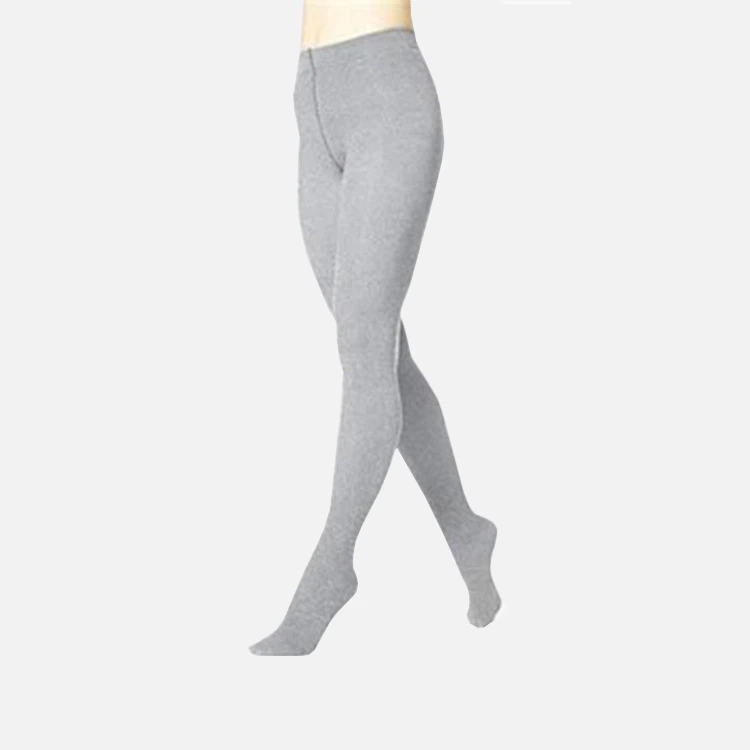

Another type of tights that's quite popular is fleece - lined tights. Fleece Lined Tights Seamless are perfect for cold weather. The fleece adds an extra layer of warmth, but it also adds some bulk. If the fleece - lined tights are too tight, they can compress the blood vessels in your legs. However, if they're the right size, they can actually help improve blood circulation by keeping your legs warm. Cold temperatures can cause blood vessels to constrict, which reduces blood flow. By keeping your legs warm, fleece - lined tights can prevent this constriction.
Age and health also play a role in how tights affect blood circulation. Older people or those with certain health conditions, like diabetes or varicose veins, might be more sensitive to the effects of tights on blood circulation. For them, it's even more important to choose the right tights. They should look for tights with the right level of compression and breathable materials.
So, how do you choose the right tights to ensure good blood circulation? Here are some tips:
- Check the size: Make sure you measure your legs properly and choose the right size tights. Don't go for a size smaller just because you think it'll look better. A well - fitting pair of tights should be snug but not too tight.
- Look at the compression level: If you need compression tights, look for ones with graduated compression. And if you have any health concerns, it's a good idea to consult a doctor before buying compression tights.
- Consider the material: Opt for breathable materials like cotton, especially if you tend to get hot or sweaty. And make sure the synthetic materials are of good quality.
- Try them on: Before you buy, try the tights on and walk around a bit. See how they feel. If they're uncomfortable or if you notice any numbness or tingling, they're probably too tight.
As a tights supplier, I know how important it is to offer high - quality tights that are not only fashionable but also good for your health. We work hard to source materials that are breathable and comfortable, and we make sure our tights are available in a range of sizes and compression levels.
If you're a retailer looking to stock up on tights or an individual looking for the perfect pair, I'd love to talk to you. Whether you're interested in our Cotton Tight for Women, Fleece Lined Tights Seamless, or Cotton Tight for Kids, we can have a chat about your needs and preferences. Just reach out, and let's start a great business relationship.
References
- American Heart Association. (2023). Understanding Blood Circulation.
- Mayo Clinic. (2023). Compression Stockings: Do They Work?
- Journal of Vascular Nursing. (2022). The Impact of Clothing on Peripheral Blood Circulation.